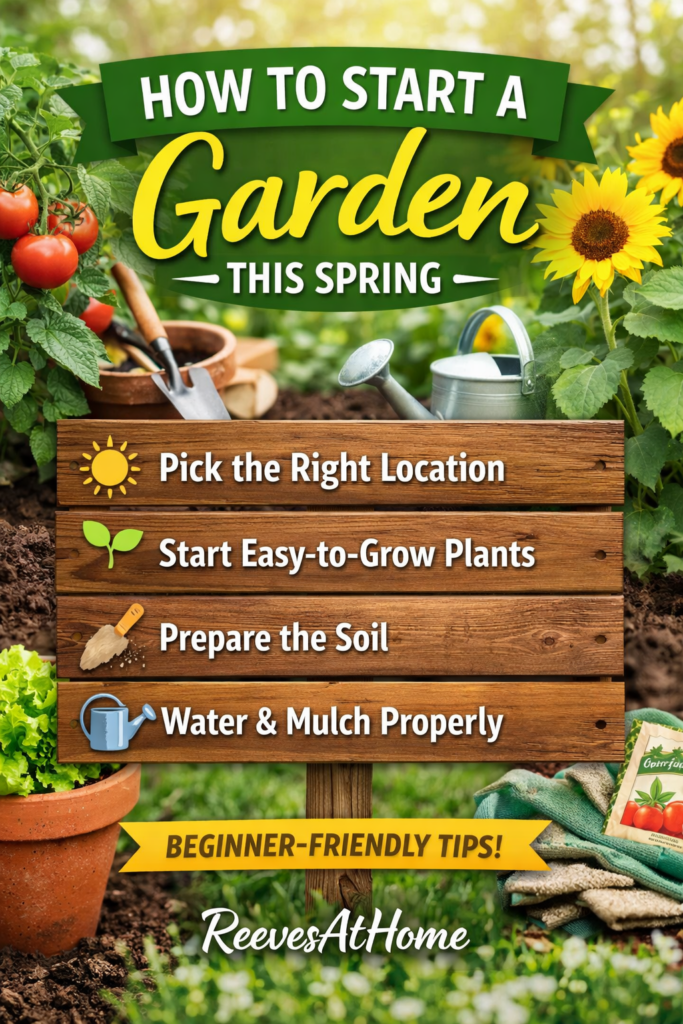
Spring is the perfect time to start a garden. Whether you want fresh vegetables, beautiful flowers, or a little backyard oasis, learning how to start a garden this spring doesn’t have to feel overwhelming.
This beginner-friendly guide will walk you through everything you need to know — from choosing the right location to planting your first seeds.
Why Spring Is the Best Time to Start a Garden
Spring offers:
- Mild temperatures
- Increased rainfall
- Longer daylight hours
- Ideal soil conditions
Most vegetables and flowers thrive when planted after the last frost date in your area. Starting in spring gives your plants a full growing season to establish strong roots and produce healthy harvests.
Step 1: Choose the Right Garden Location
Before you plant anything, location matters.
Look for:
- 6–8 hours of direct sunlight daily
- Well-draining soil
- Easy access to water
- A spot protected from strong wind
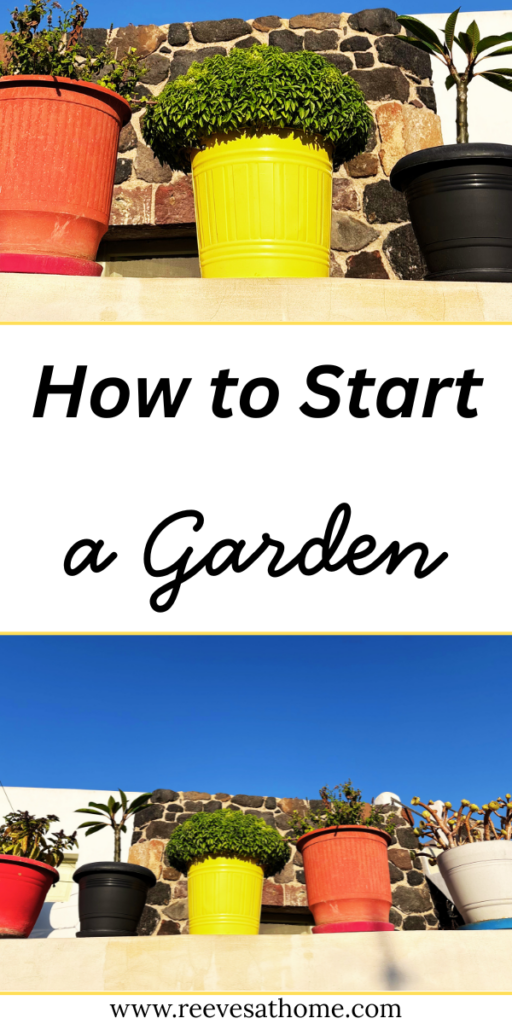
If you don’t have a large yard, don’t worry. Container gardening on patios or balconies works beautifully too.
Step 2: Decide What to Grow
When starting a garden in spring, it’s best to choose plants that are beginner-friendly and suited to your climate.
Easy Vegetables for Beginners
- Tomatoes
- Lettuce
- Carrots
- Green beans
- Zucchini
Easy Flowers for Beginners
- Marigolds
- Zinnias
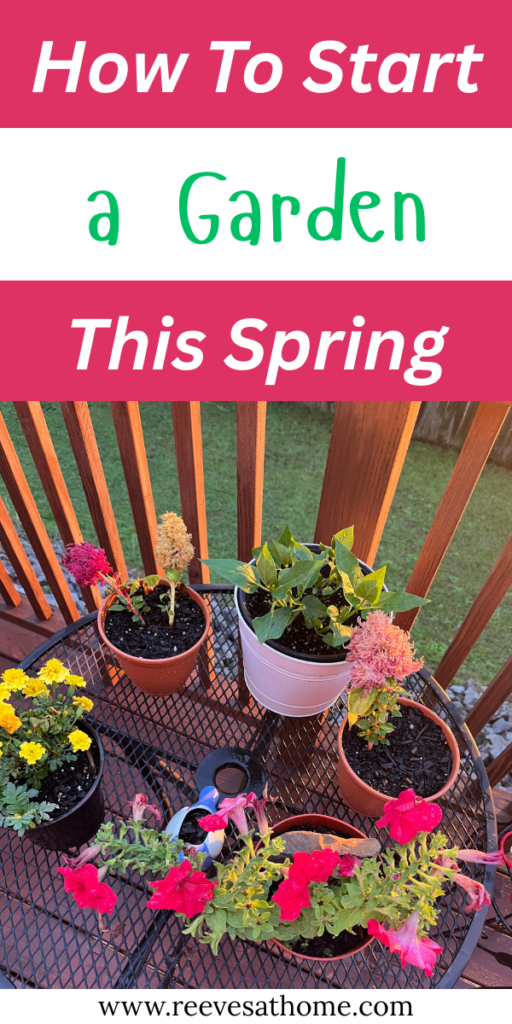
- Petunias
- Sunflowers
Pro Tip: Start small your first year. It’s better to manage a small, thriving garden than feel overwhelmed by a large one.

Step 3: Prepare the Soil Properly
Healthy soil = healthy plants.
- Remove weeds and debris.
- Loosen the soil 8–12 inches deep.
- Mix in compost or organic matter.
- Test your soil’s pH if possible (most plants prefer 6.0–7.0).
If you’re using raised beds, fill them with high-quality garden soil mixed with compost.
Step 4: Start Seeds or Buy Seedlings
You have two main options:
Starting Seeds
- More affordable
- Greater variety
- Requires more time and patience
Buying Seedlings
- Faster results
- Easier for beginners
- Slightly more expensive
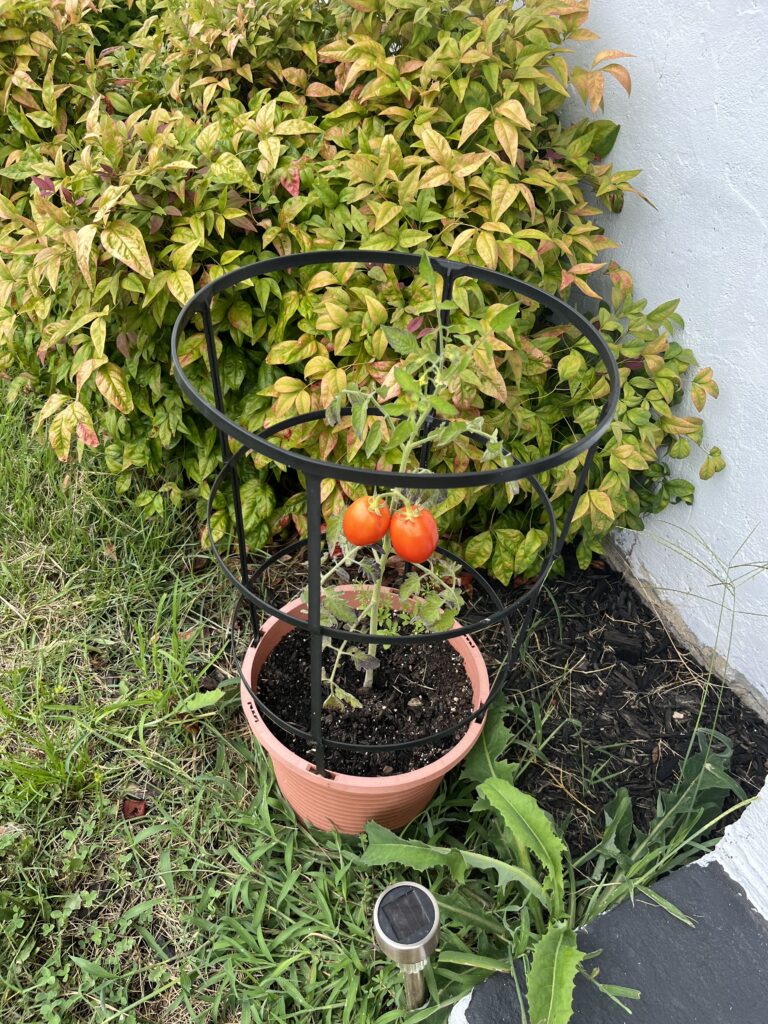
If you’re new, consider buying starter plants for crops like tomatoes and peppers, and direct sow easier plants like carrots and lettuce.
Step 5: Plant at the Right Time
Check your local last frost date before planting outdoors.
- Cool-season crops (lettuce, spinach, peas) can go in early spring.
- Warm-season crops (tomatoes, peppers, cucumbers) should wait until after the last frost.
Spacing is critical — overcrowding leads to poor airflow and disease.
Step 6: Water and Mulch Correctly
New gardeners often overwater.
Best practices:
- Water deeply 1–2 times per week
- Water at the base of plants
- Add 2–3 inches of mulch to retain moisture and reduce weeds
Mulch also helps regulate soil temperature during unpredictable spring weather.
Step 7: Maintain Your Spring Garden
Once your garden is planted:
- Remove weeds weekly
- Watch for pests
- Fertilize as needed
- Prune when necessary
Consistency is key. Even 10 minutes a day makes a difference.
Common Beginner Gardening Mistakes
Avoid these common issues:
- Planting too early
- Overwatering
- Ignoring sunlight needs
- Skipping soil preparation
- Planting too much at once
Gardening is a learning process — don’t stress about perfection.
Tools You’ll Need to Start a Garden
- Garden gloves
- Hand trowel
- Watering can or hose
- Garden rake
- Pruning shears
- Compost or fertilizer
You don’t need fancy equipment to get started — just the basics.
Final Thoughts: Start Simple and Grow From There
Starting a garden this spring doesn’t require experience — just a willingness to learn. Begin small, choose easy plants, and enjoy the process.
There’s something incredibly rewarding about harvesting your first tomato or seeing your first flowers bloom. 🌼
This could be the year you grow your own food, beautify your yard, and build a new hobby that lasts for seasons to come.
I hope you enjoyed learning about how to start a garden! If you liked this one, you should check out my How To Properly Can Fruit post and the rest of my blog. If you have any questions, please contact me at: [email protected]